Being proud of our traditional wear means being proud of our history. The world of the Filipiniana is vast, with different variants that tell the story of Filipino identity through centuries of change.
The Filipiniana
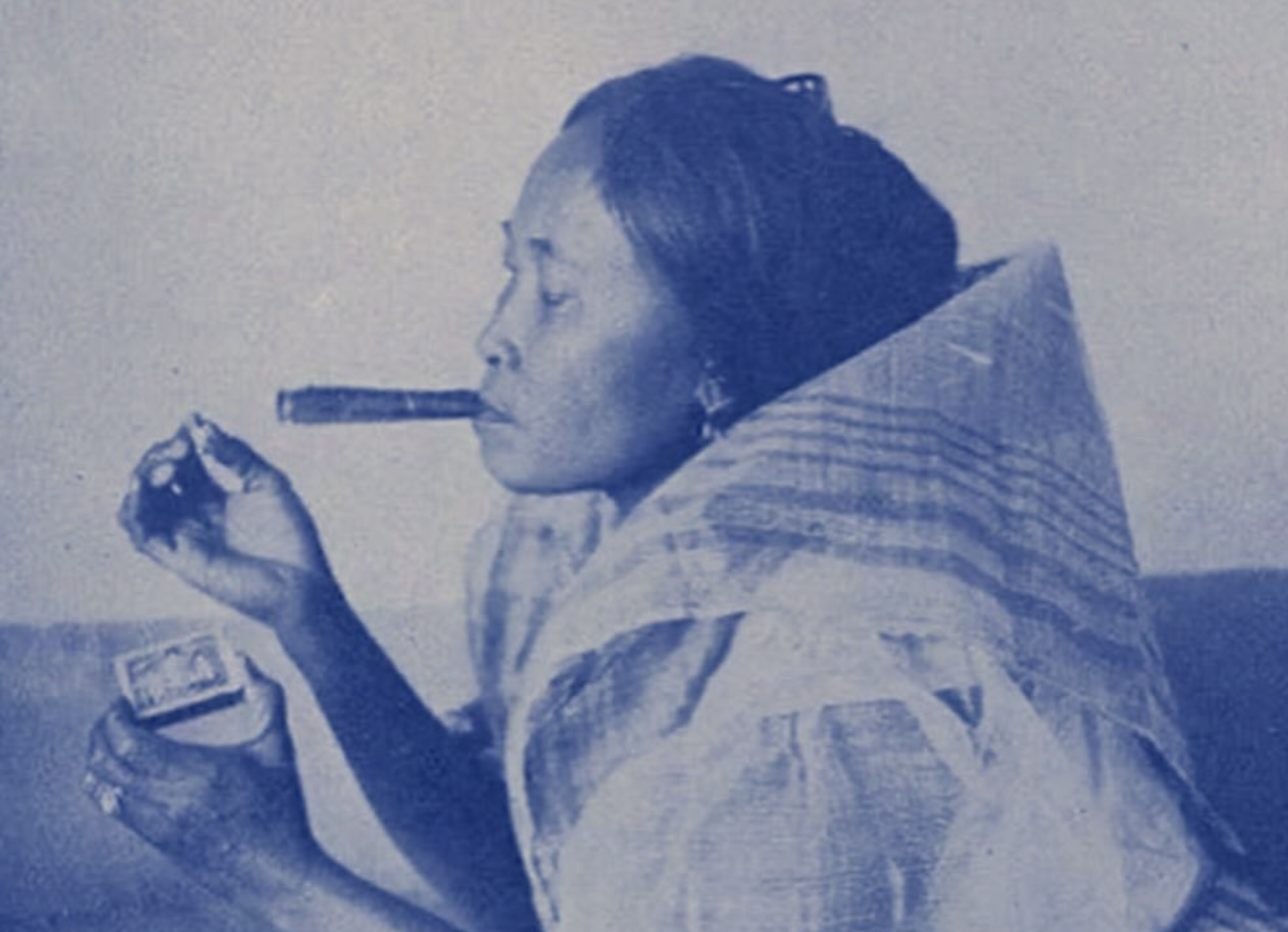
Being proud of our traditional wear means being proud of our history. The world of the filipiniana is vast, with different variants and offshoots such as the baro’t saya, traje de mestiza, maria clara, and the terno. Throughout time, trends in the filipiniana have changed according to major events in history such as Spanish and American colonial periods. The different kinds of filipiniana show the identity of the wearer. The traje de mestiza, commonly worn by women in studio photos (which were expensive to do), were a more expensive version of the baro’t saya, having more layers of lace and silk fabrics. All filipiniana, however, trace back to our roots as they, along with the barong tagalog, are based on the pre-colonial baro.
Notice how filipiniana’s sleeves puff up more from the 1890s to the 1930s? These sleeve sizes are connected to women’s rights and women empowerment movements. These puffed-up sleeves made it so that the panuelos, a modesty covering along the chest, became smaller and smaller until they were abandoned in the 1950s.